Your Medical History Matters. Why It Should Always Be Within Reach.
 By Oleksandra Telehuzova, Chief Medical Officer, MD
Created: 18 Nov, 2026
Updated: 18 Nov, 2026
Read post: 03:54 min read
 30
 0
- Why One Result Rarely Tells the Whole Story
- The Information Your Next Clinician May Need First
- How Your History Supports Prevention
- How DeHealth Helps Keep Your History Connected
- Global Health ID: Bring Your Records Together
- Data Bank: Find the Document When You Need It
- Reports and Ask Me: Prepare Better Questions
- Health Calendar: Keep the Next Step Visible
- Before You Travel or See a New Specialist
- Start With the Record You Usually Cannot Find
Your next doctor may be meeting you for the first time. Your medical history should be there to introduce you.
Imagine needing medical care while travelling. You can describe how you feel, but your last blood test is in an email, your ECG is on another phone, and the discharge summary from your previous hospital stay sits behind a portal you cannot open.
The team can begin assessing you. What they cannot immediately see is the context: what has changed, which treatments you have tried, and which medicines you take today.
An accessible medical history can make that conversation better informed. Here is what matters and how DeHealth can help.
Why One Result Rarely Tells the Whole Story
A laboratory result describes a particular moment. Previous results may show whether a finding is new, stable or changing.
Kidney function is one example. A clinician may need earlier measurements, your medication history and the circumstances of the test before deciding what an eGFR result means. An ECG can also be more useful when an earlier recording is available for comparison.
Keeping the original reports preserves details that a remembered number cannot: the date, units, laboratory reference range and clinical comments.
The Information Your Next Clinician May Need First
Start with the details that could affect assessment or treatment:
- Current medicines, doses and how often you take them.
- Known allergies and what happened during previous reactions.
- Important diagnoses, operations and implanted devices.
- Recent laboratory reports, ECGs and relevant imaging reports.
- Hospital discharge summaries and agreed follow-up plans.
An old prescription may no longer describe your treatment. Review your list after a change and keep discontinued medicines clearly distinguished from current ones.
The WHO identifies medication-related harm as a patient-safety priority, particularly when people move between care settings. Accurate information helps clinicians check treatment and identify potential problems; it does not remove the need to verify the history.
How Your History Supports Prevention
Prevention involves more than deciding whether one number falls inside a reference range.
A series of blood pressure readings, cholesterol results or glucose measurements can provide a starting point for discussing your overall risk and whether follow-up is appropriate. Your family history and existing conditions matter too.
This does not mean repeating every test each year. It means making relevant information available when you and your clinician decide what to do next.
Research on access to electronic health records has found positive associations with patient engagement, including communication and self-management. Access alone does not guarantee better outcomes, but it can help people take a more informed part in their care.
How DeHealth Helps Keep Your History Connected
Global Health ID: Bring Your Records Together
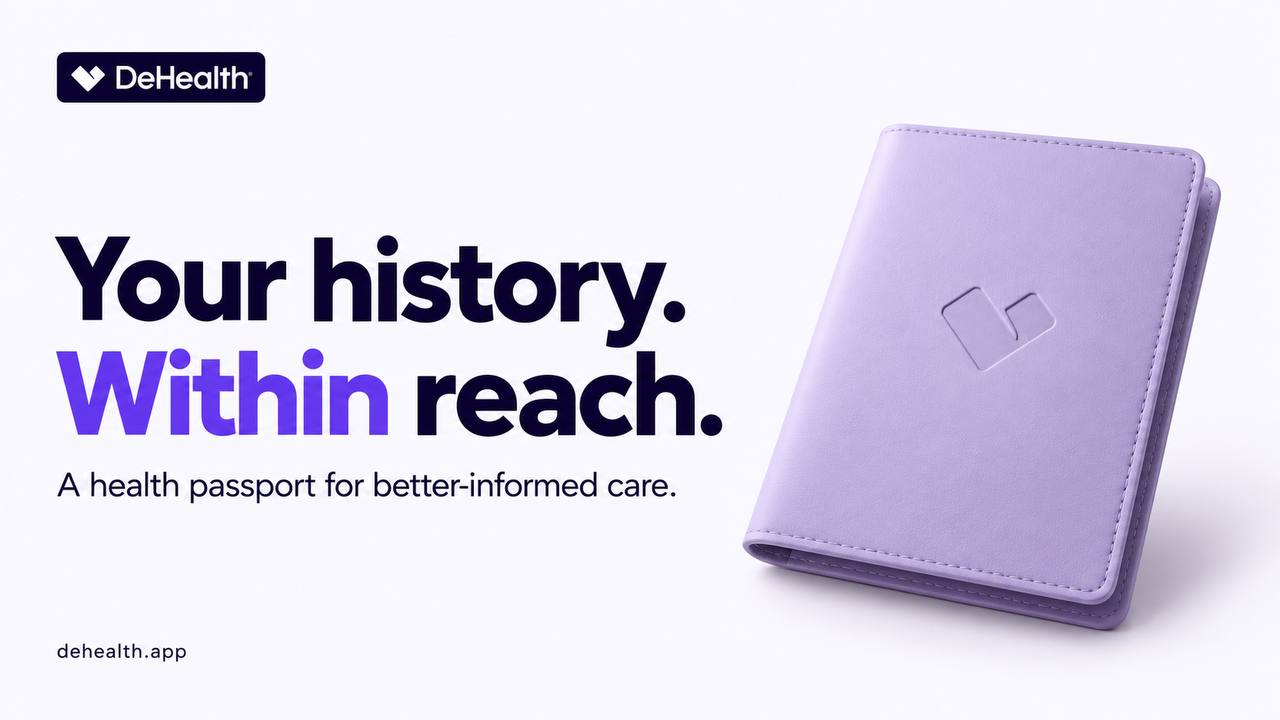
DeHealth’s Global Health ID helps you organise important medical information in one application. Think of it as the practical foundation of your personal Digital Health Passport: a record you maintain as you move between appointments, providers and countries.
A personal record contains the information you add. Check that important documents are present before relying on it for a consultation.
Data Bank: Find the Document When You Need It
Keep reports, prescriptions and other relevant records in the Data Bank. DeHealth describes encrypted storage and options for sharing information with healthcare professionals when you choose. Review the current privacy policy to understand how your information is processed.
Reports and Ask Me: Prepare Better Questions
Use explanations of laboratory information and unfamiliar terms to prepare for your appointment. Useful questions include: Is this change important? Does the result need repeating? Could my medicines affect it?
AI-generated information can be wrong. Your clinician needs the original documents and your clinical history to interpret a finding.
Health Calendar: Keep the Next Step Visible
Add the follow-up agreed at your appointment while the details are fresh. Record what it is for and which previous documents you should bring.
Before You Travel or See a New Specialist
Check that your important records are readable and accessible. Update your medication information and gather the reports relevant to the reason for your visit.
If you use a translated document, keep the original alongside it and have important clinical details checked. A personal health passport does not mean every hospital automatically connects to your app.
In an emergency, seek medical help immediately. Finding a document should never delay care.
Start With the Record You Usually Cannot Find
You do not need to organise a lifetime of medical paperwork today. Save your latest report, review your medication list and add the follow-up you have already agreed with your clinician.
Those small steps can make your next appointment easier to prepare for.
Explore your Digital Health Passport at https://dehealth.app/.
DeHealth — Your Health. Your Data. Your Future.
Sources
Rank this post
Author:
Oleksandra Telehuzova
Chief Medical Officer, MD